Why You NEED To Wear Sunscreen On A Cloudy Day

Do I really need to be wearing sunscreen if its cloudy outside?

Yup! Many people forget that their skin is exposed to light if they don’t feel the heat. Damaging UVA doesn’t burn as quickly as UVB. Without feeling like you’re baking, you could be cooking up a carcinoma with a side of wrinkles and dark spots on a bed of immune problems. This is why some people are surprised when their dermatologists find carcinomas and other sun-induced skin damage even if they feel that they “never go out in the sun.”

Just how much UV gets to me on a cloudy day?

As much as 80% of UV rays pass through clouds — plus snow, ice, sand, water and other surfaces can reflect light. There’s even an interesting phenomenon called Cloud Enhancement, where the sun may reflect off of clouds, intensifying and focusing UV radiation (we really are getting a lot more than we think we are!)

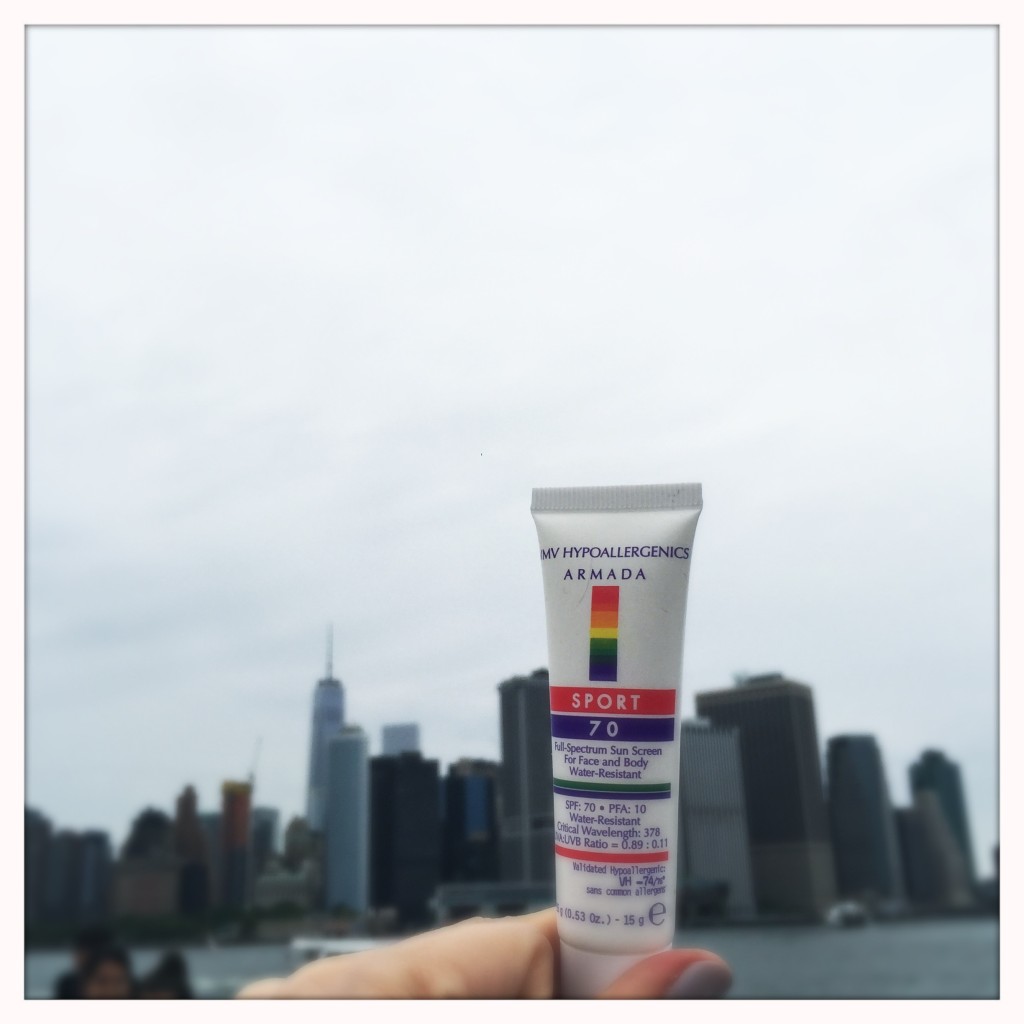
No matter what, make sure you’ve got some sunscreen on. You can always wear one with a light texture that still packs a powerful punch like Armada 30 or Armada Sport 70.


Share:

Facebook
Pinterest
LinkedIn
WhatsApp
Email

Leave a Reply

Your email address will not be published. Required fields are marked *

Social Media

Most Popular

Get The Latest Updates

Subscribe To Our Weekly Newsletter

No spam, notifications only about new products, updates.

Categories

On Key

Related Posts

JEANS: Allergen Or Not An Allergen?

Allergen Blue Jeans Blue jeans are a surprisingly common cause of contact dermatitis (and worse). The allergens are blue colorants and/or other dyes (although natural

Psoriasis Overview

I just got diagnosed with psoriasis. What should I know? The first thing to know is that the science behind psoriasis has come a long

From Belly To Prom: Skincare For Kids

What skincare for kids should mean Cosmeticorexiahas been used to describe kids’ obsession with “flawless skin, strong actives, and mega skincare regimens. Here’s what kids’

How Does VMV Work at Being Green?

Packaging Most of our packaging materials (low density polyethylene for tubes, polypropylene for caps, glass and PET for bottles, white boxes, aluminum canisters) can be

Subscribe to our youtube Channel

Share our site:

Facebook
Pinterest
LinkedIn
WhatsApp
Telegram
Reddit