
CAPRYLIC ACID: Allergen or Not An Allergen?
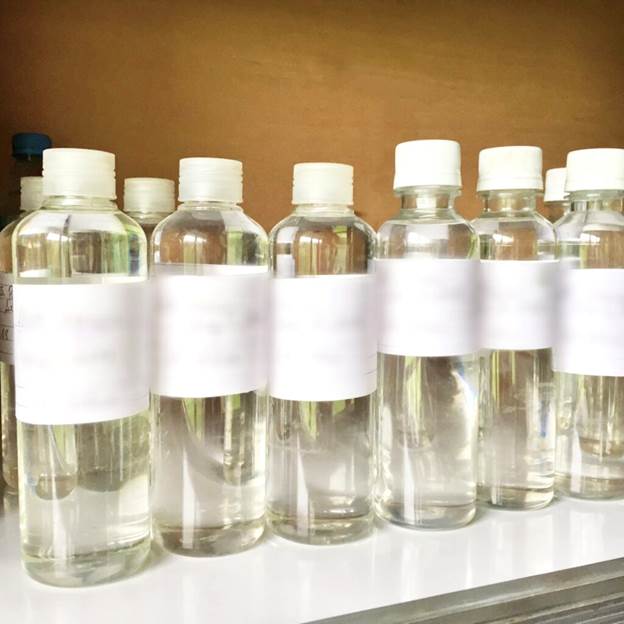
Not An Allergen Caprylic Acid Yet another impressive, well-studied coconut oil derivative, this medium-chain fatty acid is (along with lauric acid and capric acid), is one of the three main fatty acids found in coconut oil. Caprylic acid is also known as octanoic acid and has several benefits, especially as a broad-spectrum antimicrobial and anti-inflammatory. […]
SALMON SPERM: Allergen or Not An Allergen?
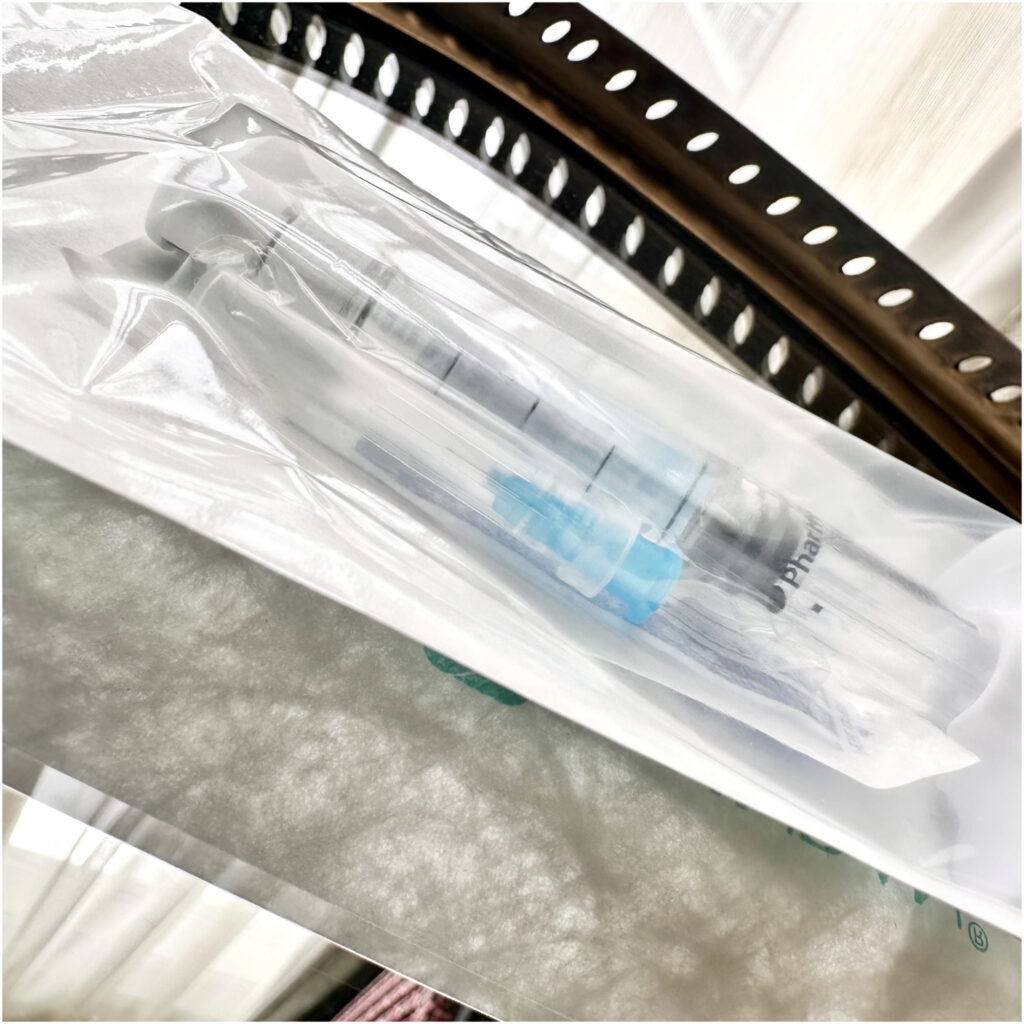
Not An Allergen Salmon Sperm So far, salmon sperm — really, the polydeoxyribonucleotides (PDRNs) derived from it — is not a top common allergen. Some clinical studies seem to show that PDRNs are effective in wound healing, skin rejuvenation, anti-inflammation, hyperpigmentation, and increasing collagen, among other benefits. Polynucleotide injections and facials are not yet FDA-approved […]
COTTON ROUNDS, PADS: Allergen or Not An Allergen?
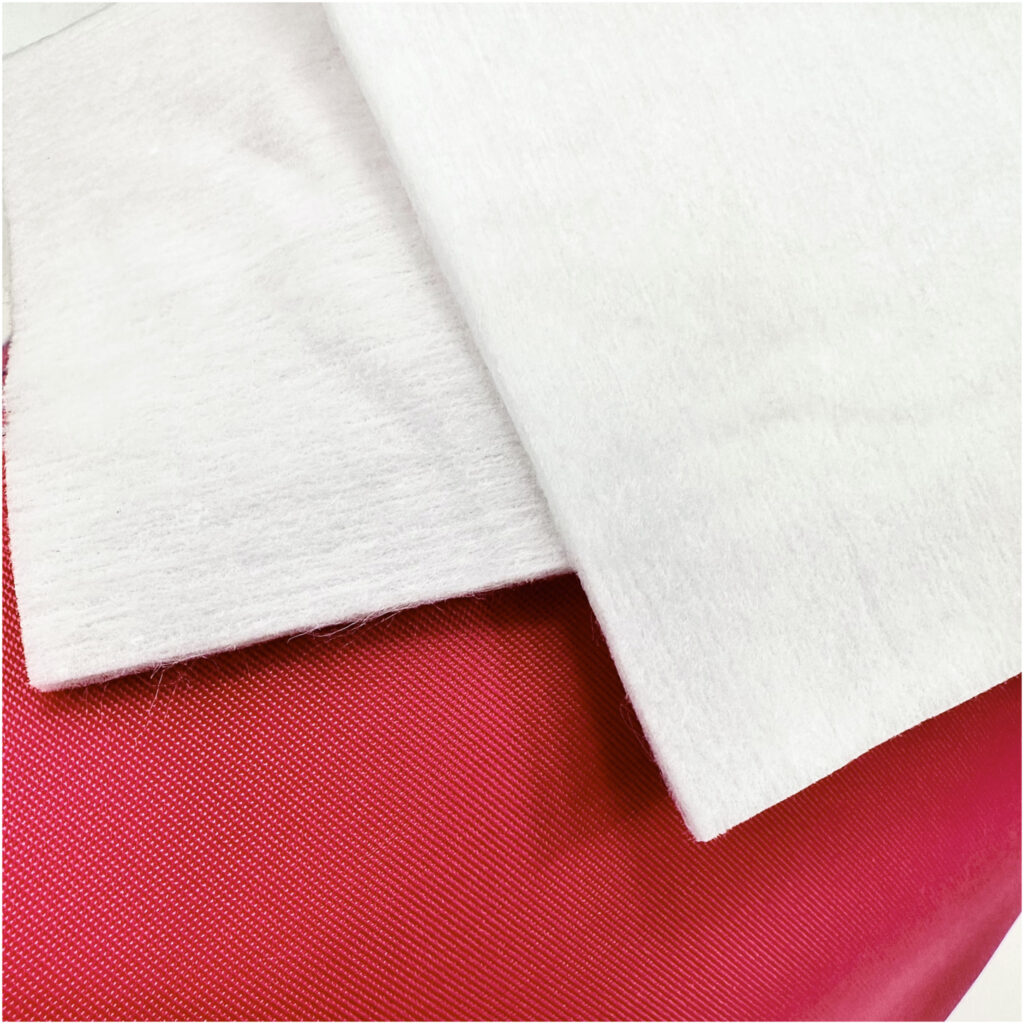
Not An Allergen Cotton Rounds, Pads White, pure cotton rounds or pads should be relatively free of allergens, especially if they are made from organic cotton (which means, among other things: no pesticides). It starts getting riskier if your applicators are: If you can find white cotton pads that are also free of chlorine and […]
GLYCERIN: Allergen or Not An Allergen?

Not An Allergen Glycerin The classic humectant glycerin (also called glycerol) is naturally occurring and can come from animal or plant fats (the glycerin VMV Hypoallergenics uses is plant derived, usually from coconut oil) and it is not published as a top contact allergen. That it is not a contact allergen is especially impressive considering […]
BUDESONIDE: Allergen or Not An Allergen?

Allergen Budesonide Published as a top contact allergen, this glucocorticoid steroid is important to use when prescribed and should not be stopped without first discussing options with your doctor. Budesonide is frequently used as a topical steroid for skin and by inhalation for the management of asthma, non-infectious rhinitis such as hay fever and other […]
QUATERNIUM-15: Allergen or Not An Allergen?

Allergen Quaternium-15 Ever present in standard patch test trays, this popular preservative is a top contact allergen and related to another: formaldehyde (which was the American Contact Dermatitis Society’s Allergen of the Year in 2015). This means that if you’ve patch tested positive to quaternium-15 you should also avoid other formaldehyde-releasing ingredients such as: Quaternium-15 […]
FLOWER EXTRACTS, FLOWERS: Allergen or Not An Allergen?

Allergen Flower Extracts, Flowers Perhaps not all flowers are top contact allergens (butterfly pea flower is an exception, for example) but there are so many that it is prudent to classify them as allergens and best practice to avoid them and their extracts if you have sensitive skin. Many types of reactions Many flowers don’t […]
POTASSIUM AZELOYL DIGLYCINATE: Allergen or Not An Allergen?
Not An Allergen Potassium Azeloyl Diglycinate This derivative of the clinically-proven active ingredient azeleic acid mixed with the amino acid glycine is very well tolerated by skin and has several benefits. Potassium azeloyl diglycinate (PAD) is a powerful, steroid-free anti-inflammatory that can help soothe hyper-reactive, red skin. It can also help reduce cathelicidins. Some research […]
COLOPHONY (ROSIN): Allergen or Not An Allergen?

Allergen Colophony (Rosin) This top skin allergen comes from the sap of pine, spruce, and other coniferous trees (a residue of the distillation of turpentine). Its stickiness is so useful that it can be difficult to avoid. Where Colophony tends to be present: What else to watch out for: Colophony/rosin in other names like abietic […]