
DISINFECTING BLEACH: Allergen or Not An Allergen?
Not An Allergen…But A Strong Irritant Disinfecting Bleach The main component of many disinfecting bleaches is sodium hypochlorite, which is not listed as a top contact allergen. However, it is a strong irritant that can cause chemical burns. Many bleaches contain other caustic ingredients which can also burn the skin by destroying its fatty tissue and oils. […]
SURGICAL, N95 & CLOTH MASKS: Allergen or Not An Allergen?

Allergen Surgical & Protective Masks This is a slightly complicated answer. These masks have materials and substances that are top contact allergens. It is interesting that, while most protective masks contain several allergens, and although many healthcare workers experience contact dermatitis, there are very few case reports on contact dermatitis due to surgical masks. Because […]
CHIA SEEDS: Allergen or Not An Allergen?
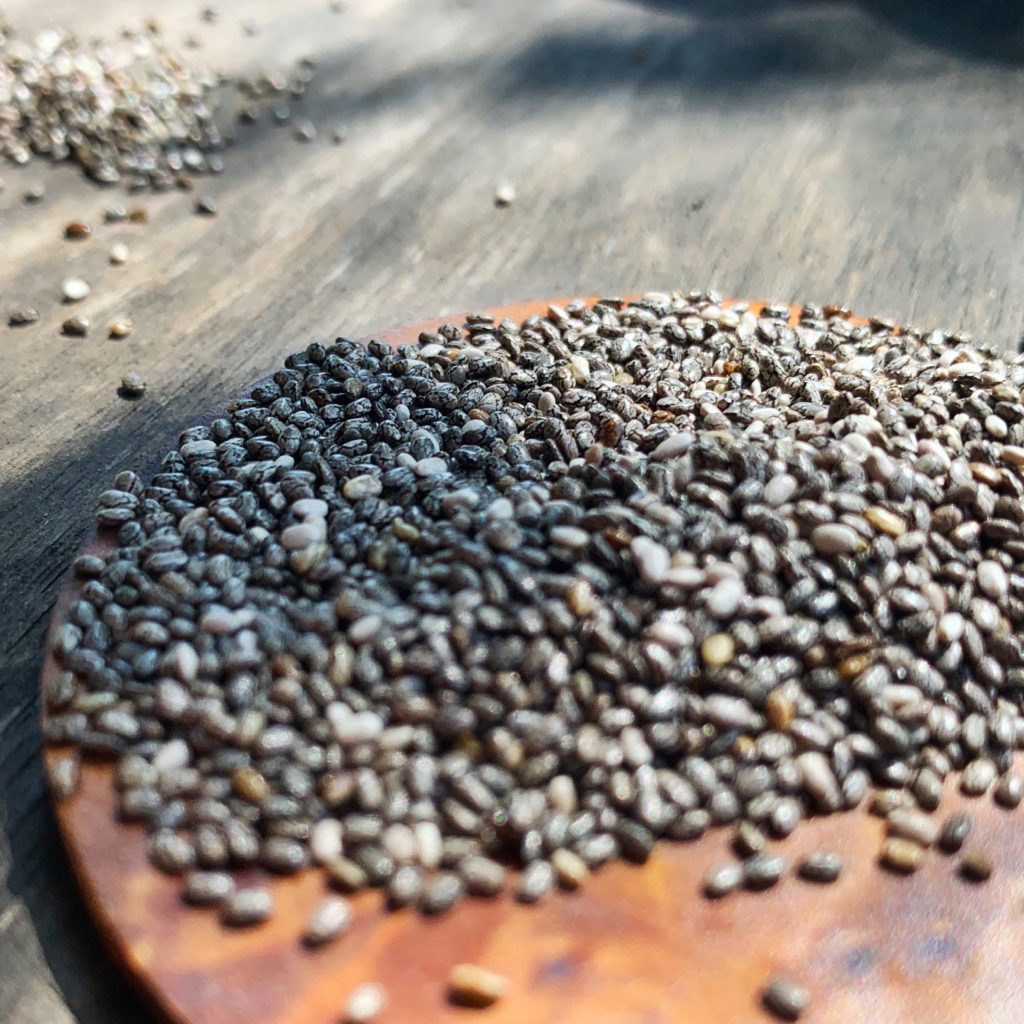
Not An Allergen Chia Seeds Eaten raw or added to salads, smoothies, yogurt, or meals, chia seeds are a healthy addition to your diet because they are so rich in calcium, fiber, omega-3 fatty acids, and antioxidants. Neither chia seeds nor their extracts are standard in patch test trays, and (possibly because they are still […]
MELATONIN: Allergen or Not An Allergen?
Not An Allergen Melatonin While still relatively new to skincare (and an ingredient’s allergenicity is related to how common it is), so far, melatonin does not have case reports of contact allergic reactions. There are already excellent laboratory studies (ex vivo, or outside the living body) on the anti-aging effects of topically applied melatonin (counteracting […]
HAND SANITIZER: Allergen or Not An Allergen?
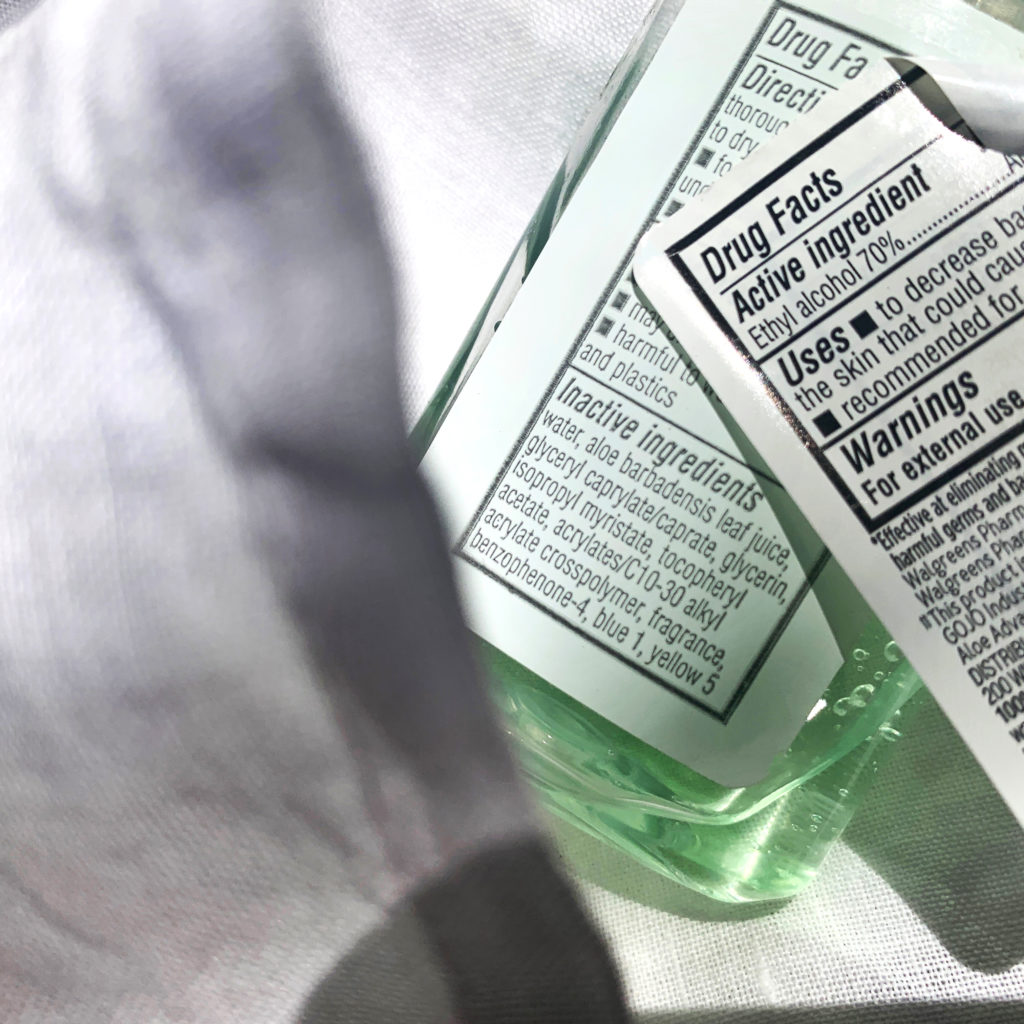
Allergen…but not always Hand Sanitizer “Hand sanitizer” does not appear in published lists of top contact allergens. However, most contain allergens like fragrances, dyes, “amido-amines,” and vitamin E. If your hand sanitizer contains alcohol but no allergens, then that’s great! The alcohol normally found in hand sanitizers (isopropyl or ethyl) is drying to the skin and an irritant, but it […]
VITAMIN C: Allergen or Not An Allergen?

Not An Allergen Vitamin C Ascorbic acid (what exists in nature; sodium ascorbate and calcium ascorbate are more stable synthetic salts) does not appear on published lists on common contact allergens. This is reinforced by the fact that very few allergies have been reported (see de Groot in references below), despite vitamin C being found in so many products (from foods to cosmetics […]
ALCOHOL: Allergen or Not An Allergen?
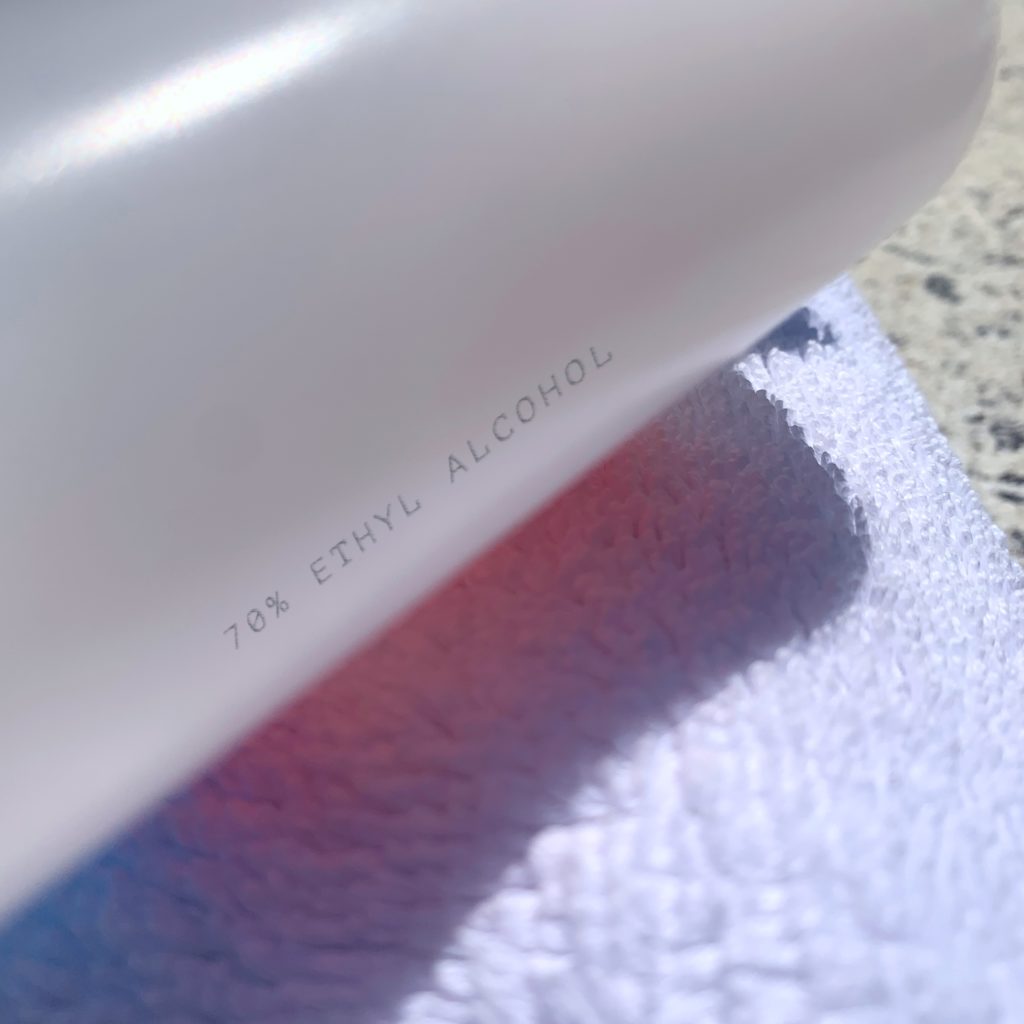
Not An Allergen. This is a little tricky but let’s break it down: the most common alcohol (isopropyl, ethyl) used for disinfection is an irritant — and it is certainly drying —but it is not a common contact allergen. For more on the difference between irritant and allergic reactions, see It’s Complicated: Allergic Versus Irritant Reaction. Complicating things […]
Rosacea: When Your Skin’s Always On Red Alert!

Rosacea can be frustrating because it is so multi-faceted, involving bright redness, dilated vessels, big pores, photosensitivity, extreme dryness and large cysts or acne — and possibly, all at the same time. There is strong evidence that rosacea is more common than once thought. Rosacea is frequently under-diagnosed or misdiagnosed and its multi-factorial nature suggests that rosacea may share common inflammatory pathways […]
Study Review: Coconut Oil, Monolaurin & Other Derivatives As Antivirals

The quick summary: There are multiple published clinical studies on the antimicrobial properties of virgin coconut oil (VCO) and its derivatives, and they’ve been around longer than you may think. We asked a leading dermatologist and dermatopathologist, Dr. Vermén Verallo-Rowell, who is a specialist in contact dermatitis, psoriasis, and its secondary infections — and whose […]