
Allergen, Not An Allergen
HAIR DYE: Allergen or Not An Allergen?
Allergen Hair Dye “Hair dye” is not on published allergen lists, but most hair dyes contain PPD or para-phenylenediamine, which is a staple in published allergen lists — — so

Allergen Hair Dye “Hair dye” is not on published allergen lists, but most hair dyes contain PPD or para-phenylenediamine, which is a staple in published allergen lists — — so
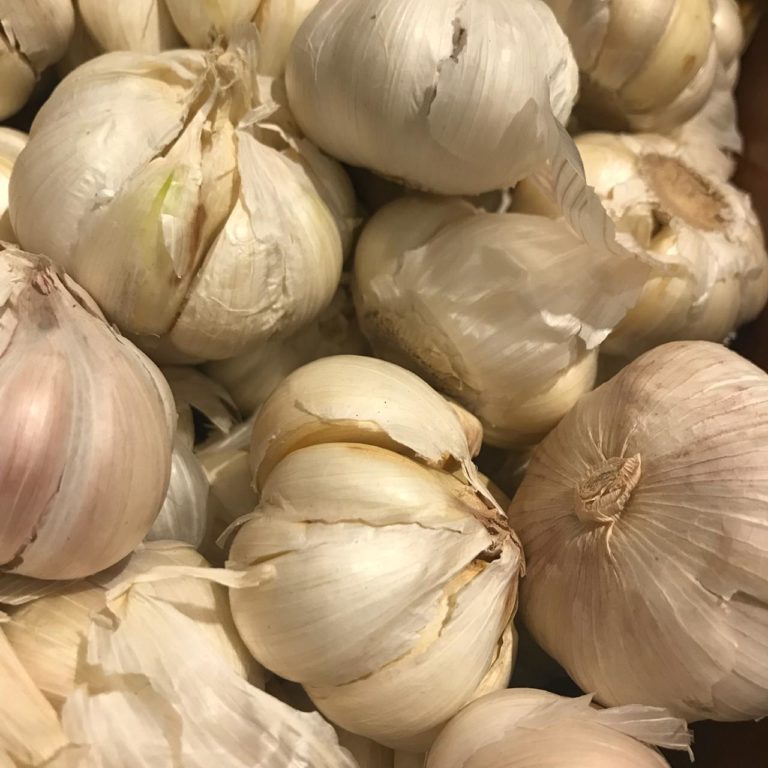
Allergen…and a Photo-Allergen! Garlic Might explain why vampires avoid it (and have such smooth complexions)! While garlic is delicious and has a long history of being used as a natural
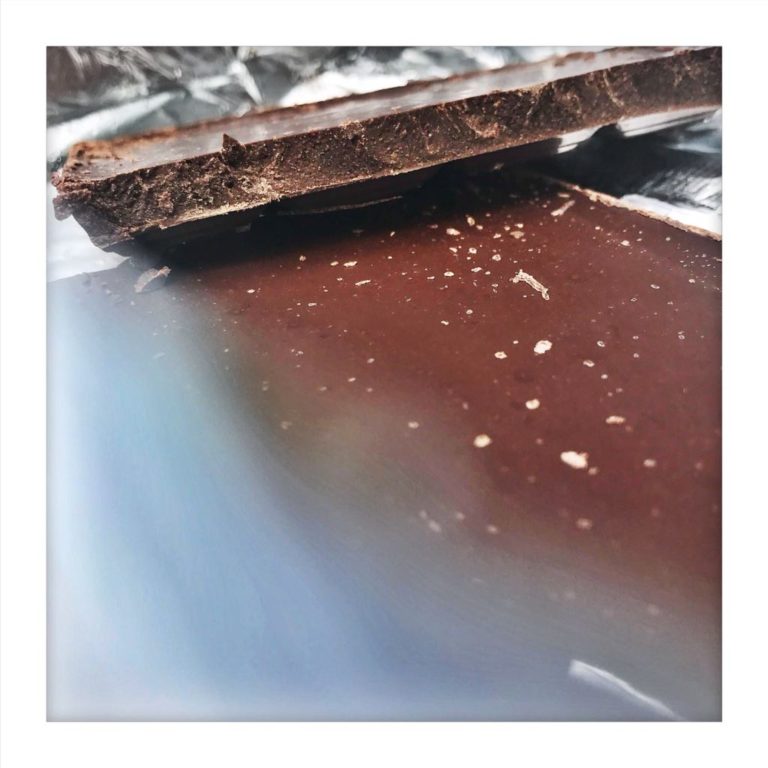
Not An Allergen. Theobromine (in Chocolate) Bromine is a halogen, which is a type of chemical that is found in several foods and other substances that can cause skin problems. Despite
Not An Allergen. Vibranium This metal may be fictional, but it provides a great opportunity to look at what makes a substance more or less likely to be an allergen.
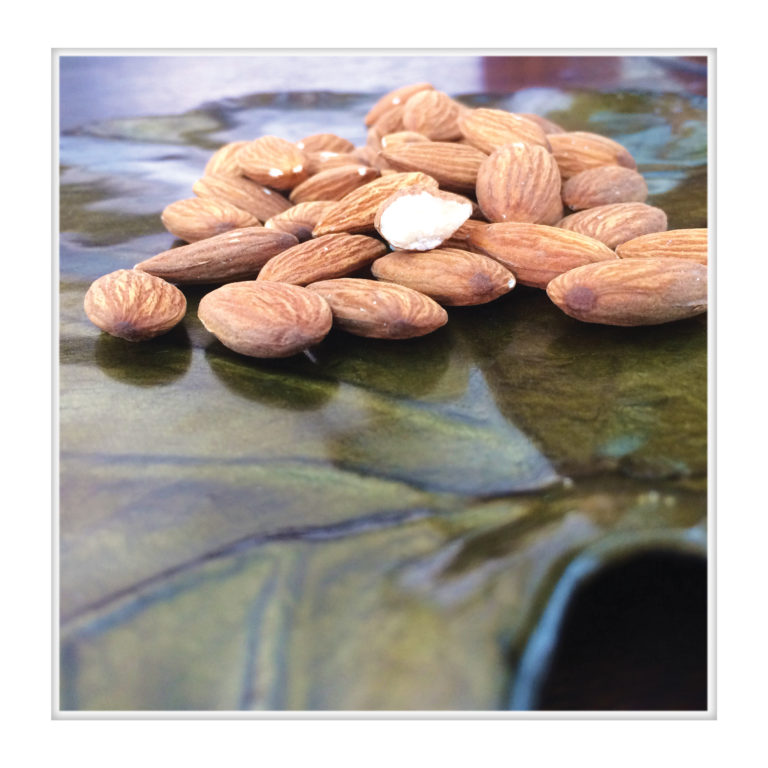
Not An Allergen. Mandelic Acid Not only is this multi-beneficial alpha-hydroxy acid not a published allergen, it is the least irritating of all the AHAs, which is part of what makes it
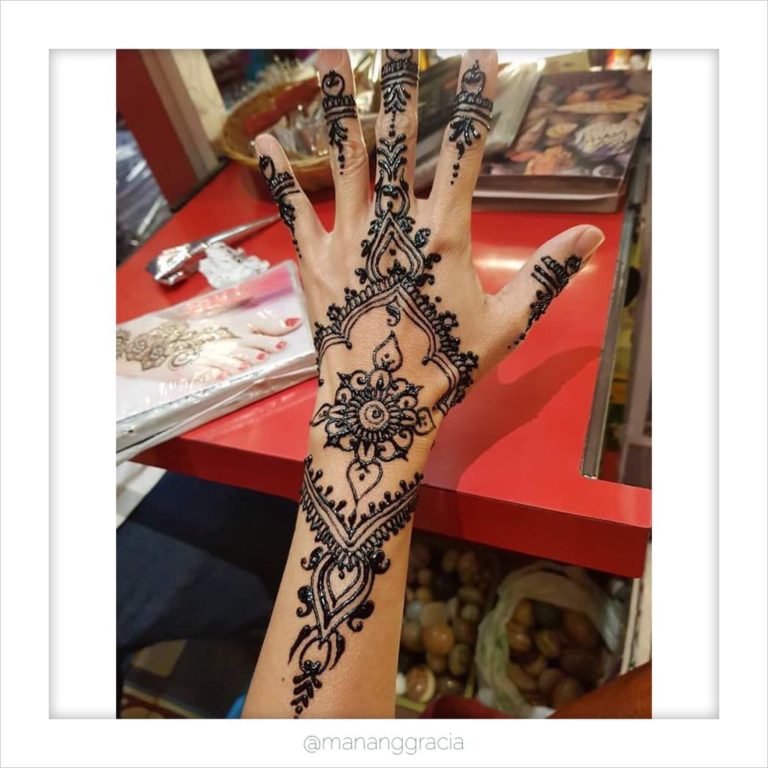
Allergen. Black Henna Pure, organic henna with no additives is generally not allergenic, but black henna is. In a big way. The reason for this is that black henna has PPD
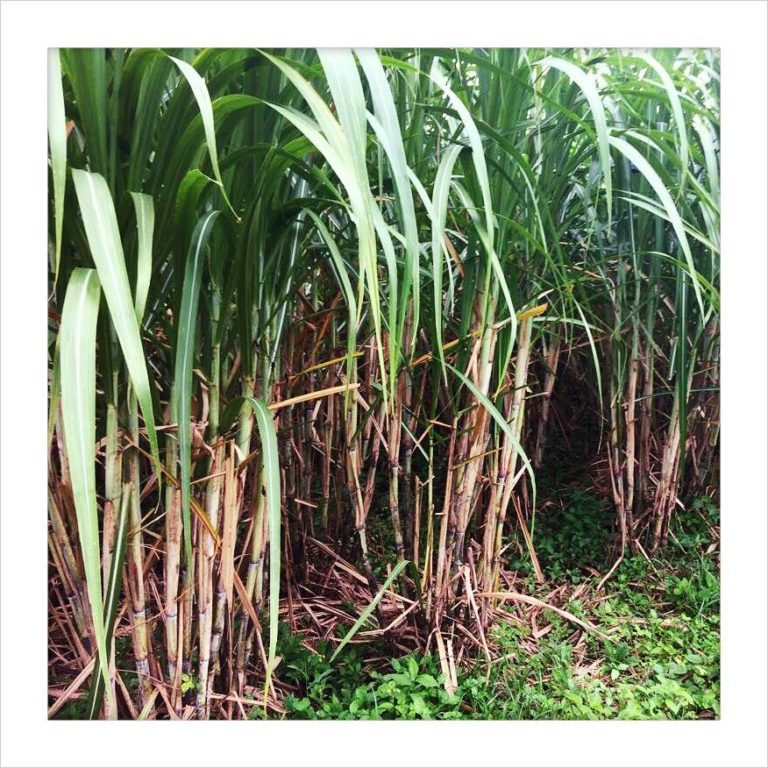
Not An Allergen. Glycolic Acid Derived from sugarcane, glycolic acid is not an allergen. But, like all alpha-hydroxy acids, it is an irritant, which is part of why it is such
Not An Allergen Lead While a skin rash is one of the symptoms of heavy metal toxicity, and while lead is dangerous and should not be ingested in amounts higher than the concentrations

Allergen. Ink “Ink,” as such, also does not appear on published allergen lists, but most things that go into making ink do. These include glues and adhesives (epoxy and acrylic resins