
GARLIC: Allergen or Not An Allergen?
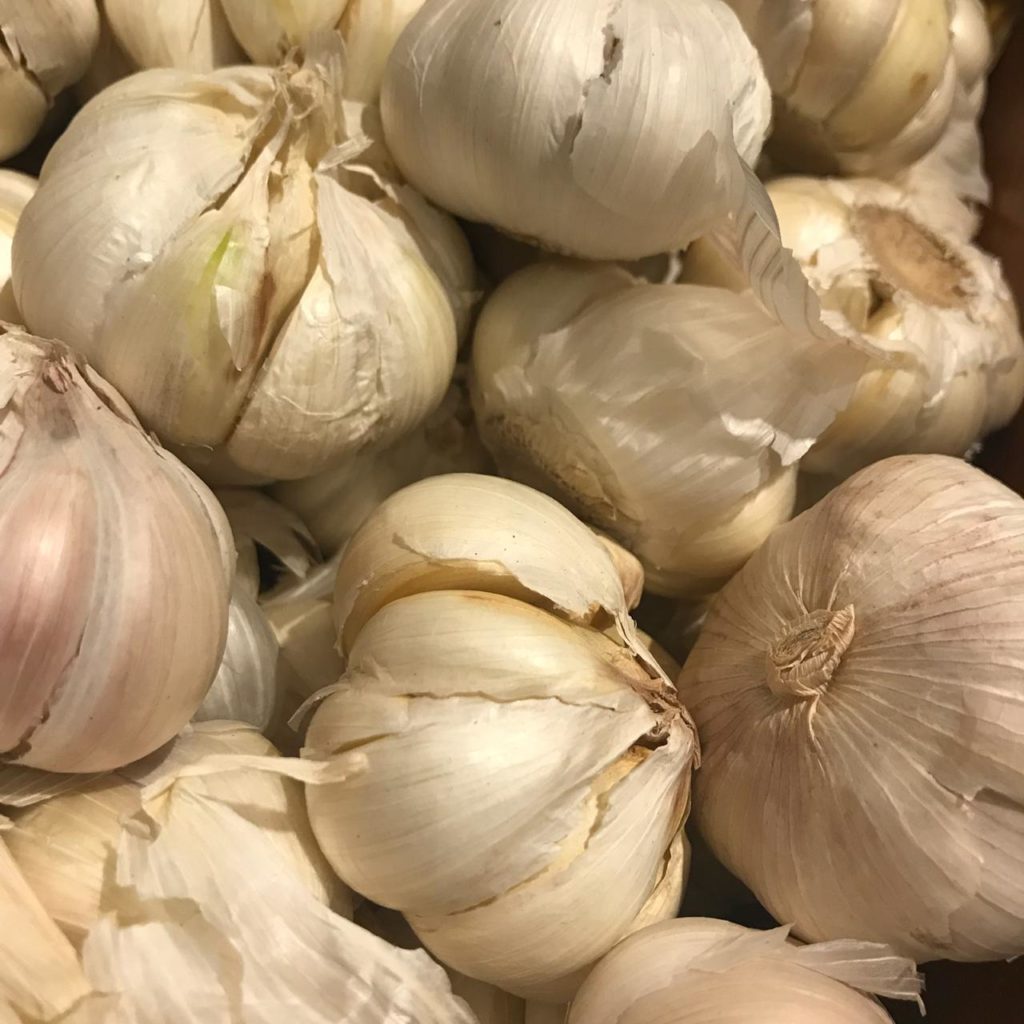
Allergen…and a Photo-Allergen! Garlic Might explain why vampires avoid it (and have such smooth complexions)! While garlic is delicious and has a long history of being used as a natural remedy, it contains allicin and diallydisulphide, which are both allergens. Garlic poultice (garlic made into a moist mass that is spread on cloth or skin) […]
THEOBROMINE in Chocolate: Allergen or Not An Allergen?

Not An Allergen. Theobromine (in Chocolate) Bromine is a halogen, which is a type of chemical that is found in several foods and other substances that can cause skin problems. Despite the similarity in the name, however, theobromine is not a halogen (it has only carbon, hydrogen, nitrogen, and oxygen, no bromine), and is not a common skin allergen. […]
VIBRANIUM (Wakandan): Allergen or Not An Allergen?
Not An Allergen. Vibranium This metal may be fictional, but it provides a great opportunity to look at what makes a substance more or less likely to be an allergen. Based on what we know of vibranium, we’d stand by: not a common allergen. Our first justification is that vibranium is extremely rare, found almost […]
MANDELIC ACID: Allergen or Not An Allergen?
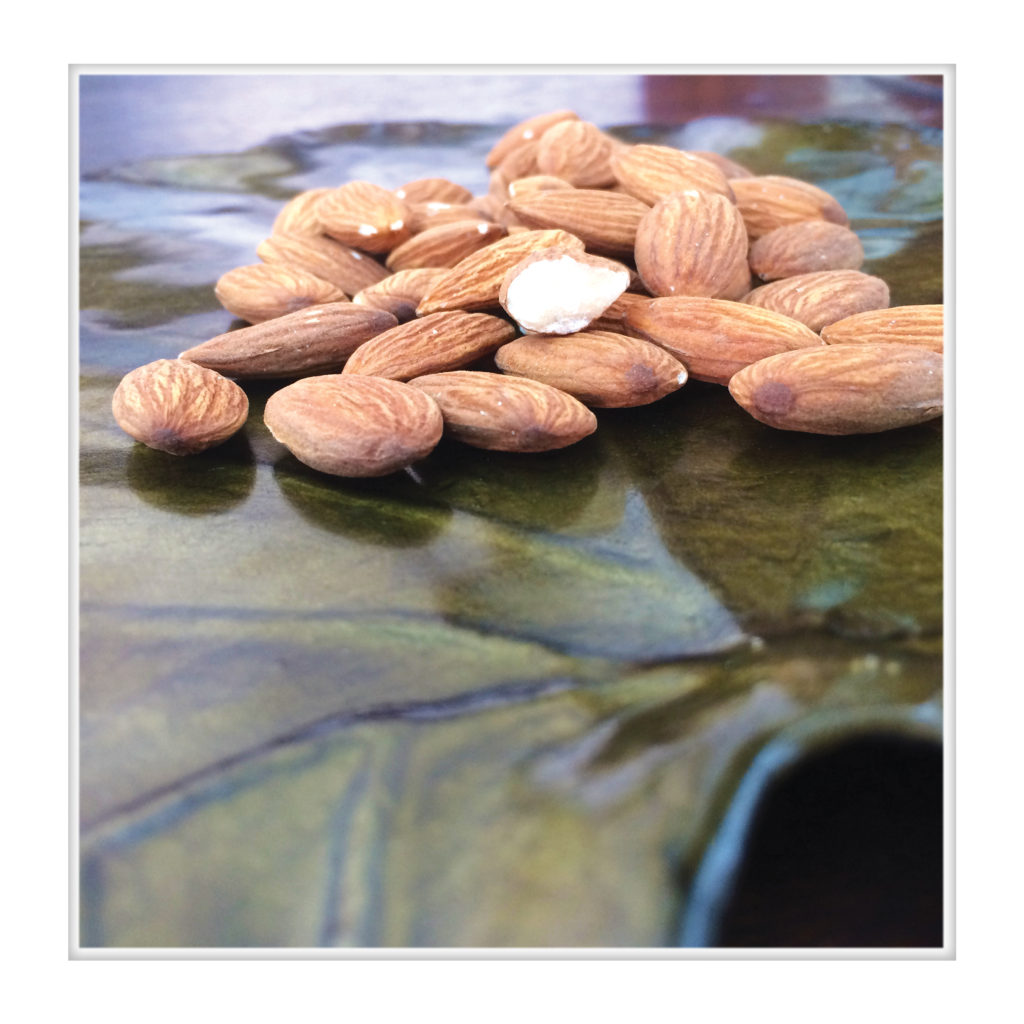
Not An Allergen. Mandelic Acid Not only is this multi-beneficial alpha-hydroxy acid not a published allergen, it is the least irritating of all the AHAs, which is part of what makes it really special. Mandelic acid’s molecular size is larger that other AHAs, meaning it penetrates the skin less, which is something you want for hypoallergenicity — as a […]
BLACK HENNA: Allergen or Not An Allergen?

Allergen. Black Henna Pure, organic henna with no additives is generally not allergenic, but black henna is. In a big way. The reason for this is that black henna has PPD or para-phenylenediamine (which is on published common allergen lists) added to it to make its color black, to make it more vivid, and to make it look […]
GLYCOLIC ACID: Allergen or Not An Allergen?

Not An Allergen. Glycolic Acid Derived from sugarcane, glycolic acid is not an allergen. But, like all alpha-hydroxy acids, it is an irritant, which is part of why it is such an effective micro-exfoliant. Because glycolic acid is an irritant, some brands use diluted forms of it or use a lower percentage than what is proven to […]
LEAD: Allergen or Not An Allergen?

Not An Allergen Lead While a skin rash is one of the symptoms of heavy metal toxicity, and while lead is dangerous and should not be ingested in amounts higher than the concentrations naturally occurring in our water or air, lead is not a common contact allergen. Lead paint was outlawed in 1978, which is why it is not […]
INK: Allergen or Not An Allergen?

Allergen. Ink “Ink,” as such, also does not appear on published allergen lists, but most things that go into making ink do. These include glues and adhesives (epoxy and acrylic resins — the inks need a fixative to help them adhere to a surface when applied), dyes, phenylenediamine, and certain preservatives. Soy ink can be a better alternative […]
GLUE: Allergen or Not An Allergen?

Allergen. Glue Epoxies and acrylates and formaldehydes, oh my! While the word “glue” is not on published allergen lists, glues and pastes are made up of several substances that are common allergens. We mentioned just a few up front: epoxy resins, acrylates, and formaldehyde (and formaldehyde releasers). These and other allergens are present in multiple types of glues, from […]