CARMINE: Allergen or Not An Allergen?
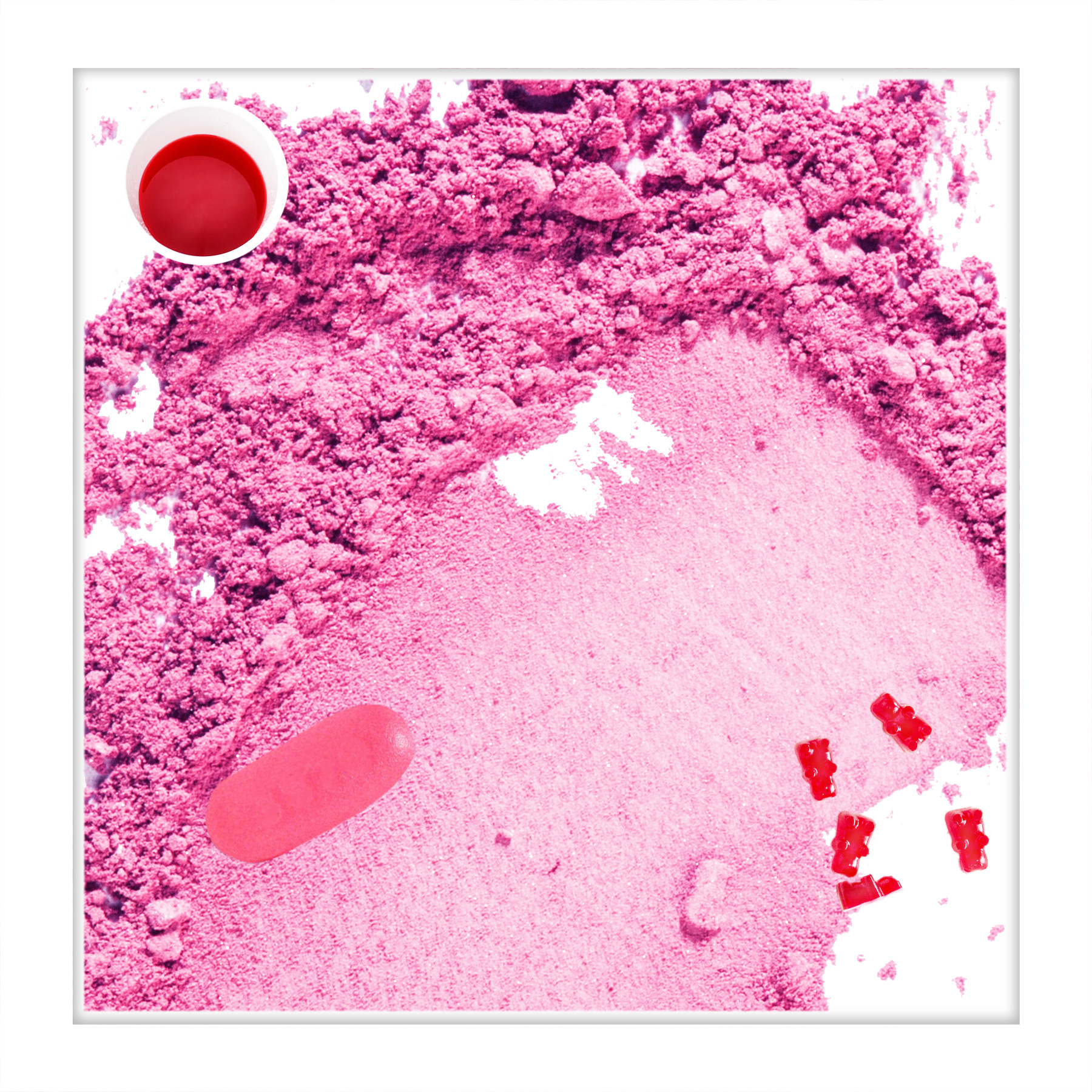
Allergen. Carmine: It’s a gorgeous color, and used to be a less-allergenic option for pigmenting cosmetics, but carmine has finally made it to the latest published allergen lists. Arguably because it

Allergen. Carmine: It’s a gorgeous color, and used to be a less-allergenic option for pigmenting cosmetics, but carmine has finally made it to the latest published allergen lists. Arguably because it

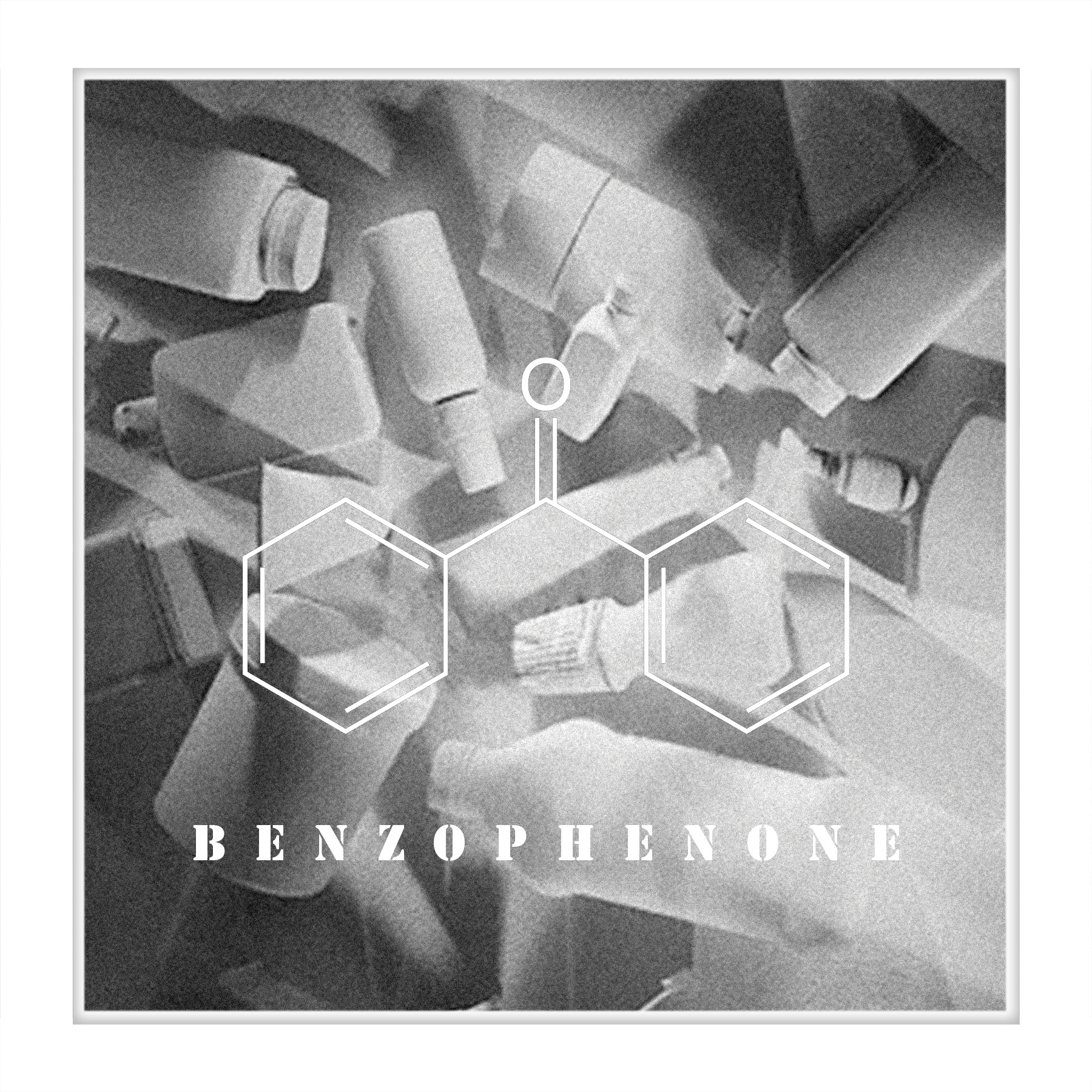
Allergen. Benzophenones: 2014’s Allergen of the Year by the American Contact Dermatitis Society, benzophenones are popular in several products because of their UV-absorbing properties. While their most obvious use might be in sunscreens, benzophenones

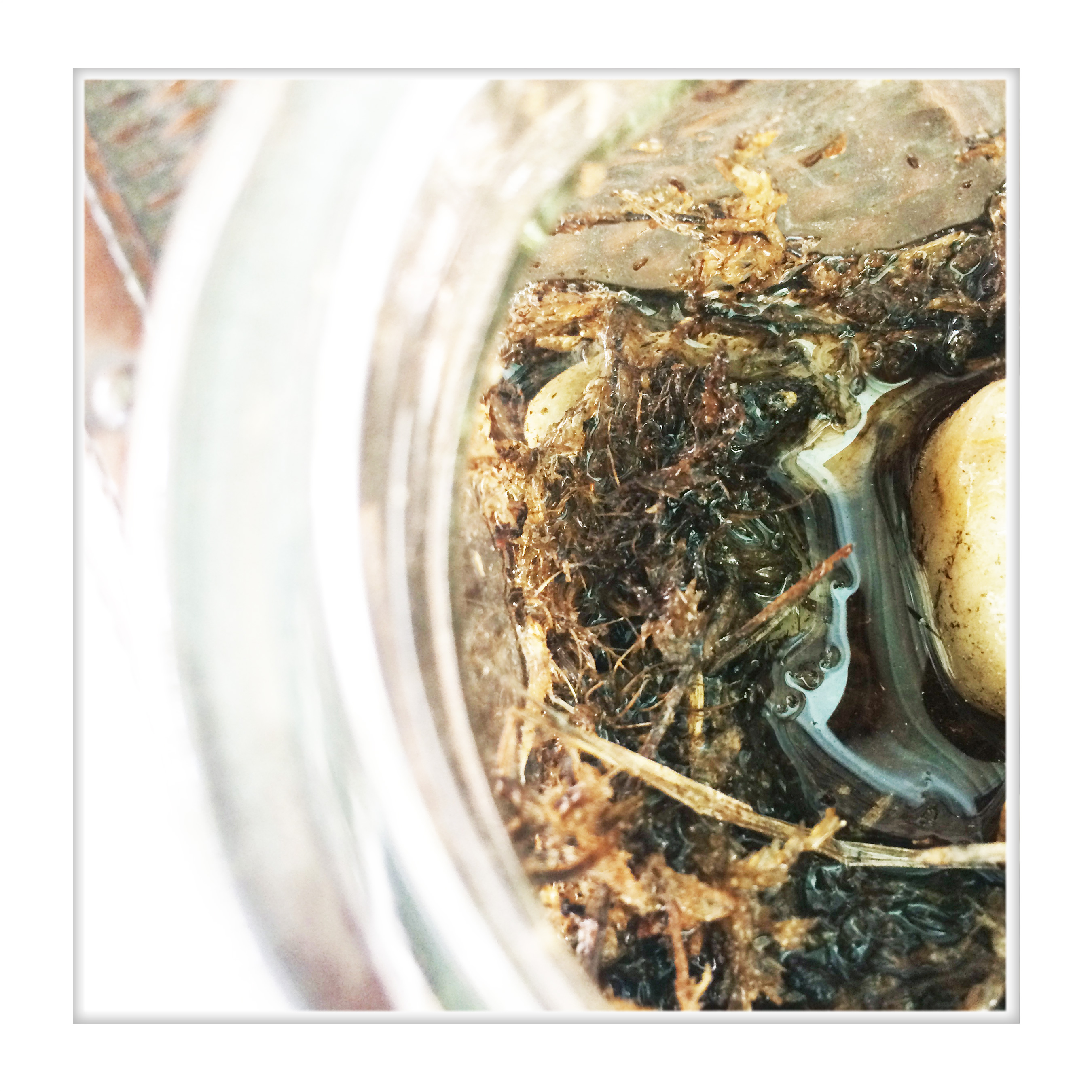
Allergen. Moss: That soothing color and deep scent is magical on walks in the woods, but moss (oak and tree, for example) is part of Fragrance Mix I, a common presence

Allergen. Honey, Beeswax, Propolis: Who doesn’t love honey? Honey — in particular raw, wild honey — is such a great treat. But honey, beeswax, propolis (related ingredients) are in published allergen lists.

Not An Allergen. Canvas: Strictly speaking, canvas is not an allergen. However, as anyone with clothing contact dermatitis will tell you, it’s not that simple either. Most cloths are treated

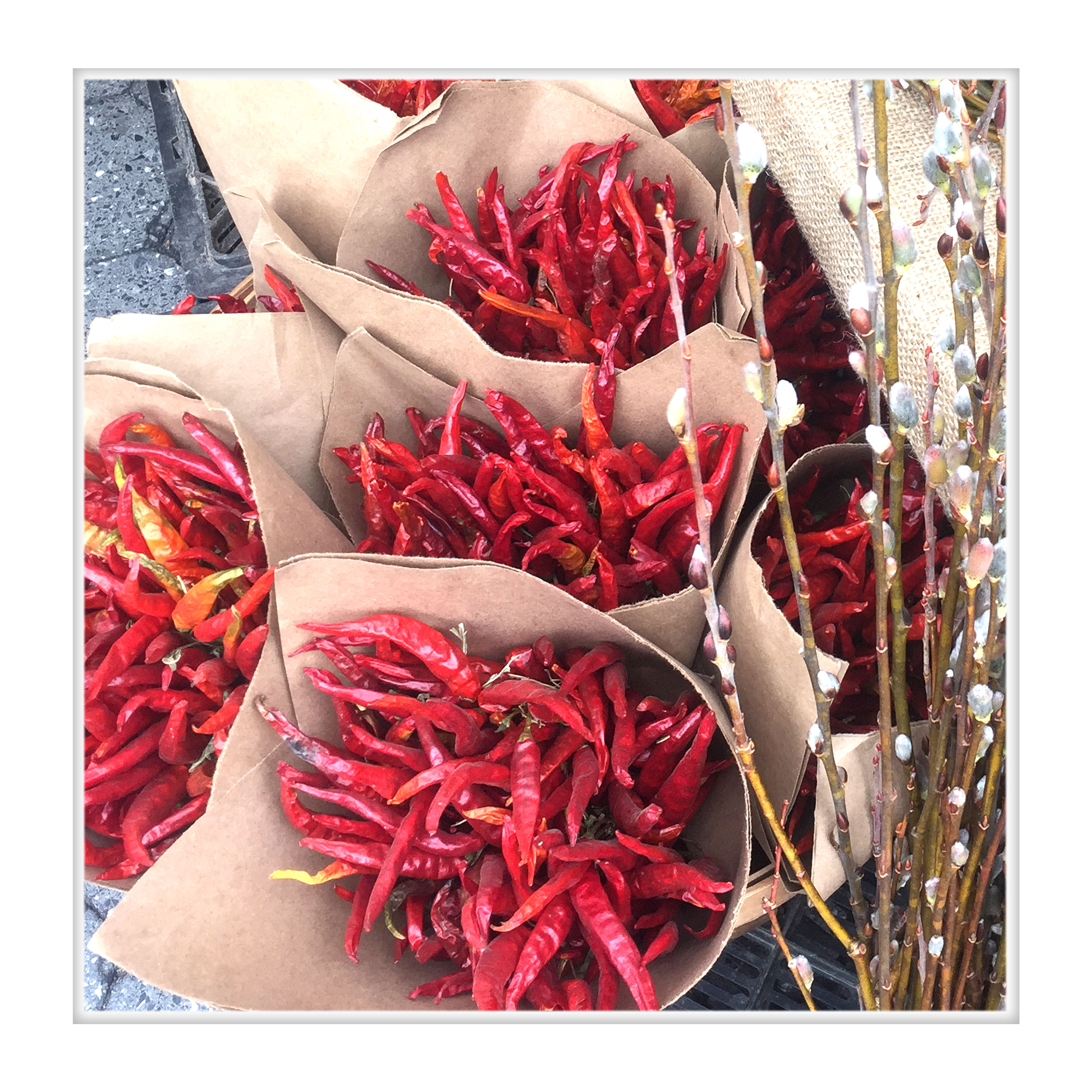
Not An Allergen. Chili (Capsicum): Chili (capsicum) is an irritant but not an allergen (not on published allergen lists). As an irritant, the amount of capsicum in a product, and how long the

Not An Allergen. Snail Mucus: As of the latest publications, snail secretion filtrate (also known as snail juice or snail mucus or snail slime) is not on common allergen lists. Depending

Allergen. Lidocaine: Lidocaine is sometimes used to relieve itching and sunburn but it is on published allergen lists. Pain is never fun and this local anesthetic provides welcome numbness before operations,

Not An Allergen. Sulfates: “Sulfates” is a pretty broad term that has gotten a lot of bad press. While some of these bubble-producers are proven irritants, they are not on published allergen