MANDELIC ACID: Allergen or Not An Allergen?
Not An Allergen. Mandelic Acid Not only is this multi-beneficial alpha-hydroxy acid not a published allergen, it is the least irritating of all the AHAs, which is part of what makes it

Not An Allergen. Mandelic Acid Not only is this multi-beneficial alpha-hydroxy acid not a published allergen, it is the least irritating of all the AHAs, which is part of what makes it
Allergen. Black Henna Pure, organic henna with no additives is generally not allergenic, but black henna is. In a big way. The reason for this is that black henna has PPD

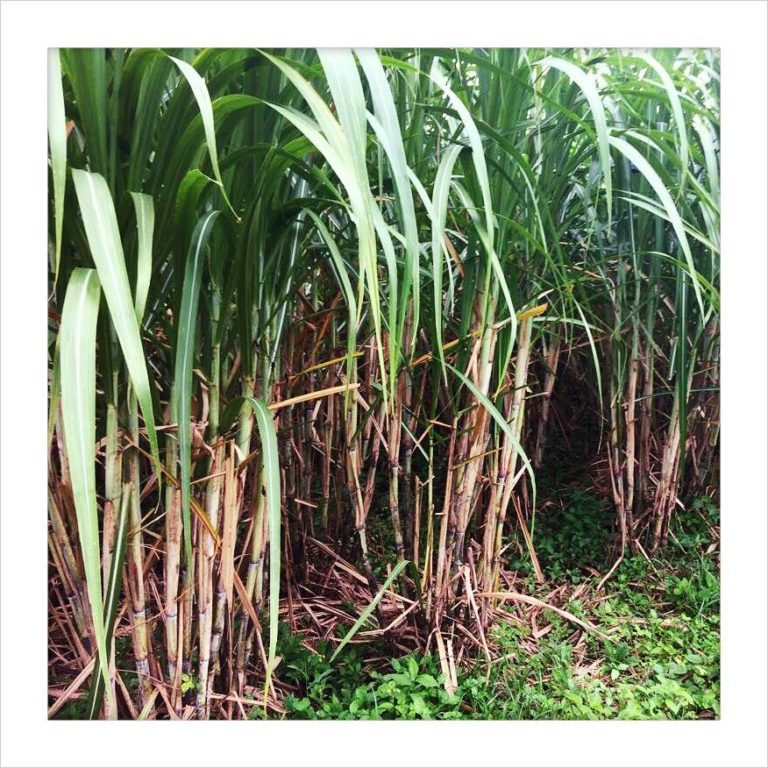
Not An Allergen. Glycolic Acid Derived from sugarcane, glycolic acid is not an allergen. But, like all alpha-hydroxy acids, it is an irritant, which is part of why it is such

Not An Allergen Lead While a skin rash is one of the symptoms of heavy metal toxicity, and while lead is dangerous and should not be ingested in amounts higher than the concentrations

Allergen. Ink “Ink,” as such, also does not appear on published allergen lists, but most things that go into making ink do. These include glues and adhesives (epoxy and acrylic resins

Allergen. Glue Epoxies and acrylates and formaldehydes, oh my! While the word “glue” is not on published allergen lists, glues and pastes are made up of several substances that are common

Not An Allergen. Graphite Pencil lead is made up of graphite (a form of carbon) mixed with wax and clay. Graphite is not on published allergen lists. In pencils specifically, you’re more

Not an Allergen (but problematic). Iodine A naturally-occurring trace element in our bodies that is important for the production of our thyroid hormones, an iodine “allergy” is considered impossible to

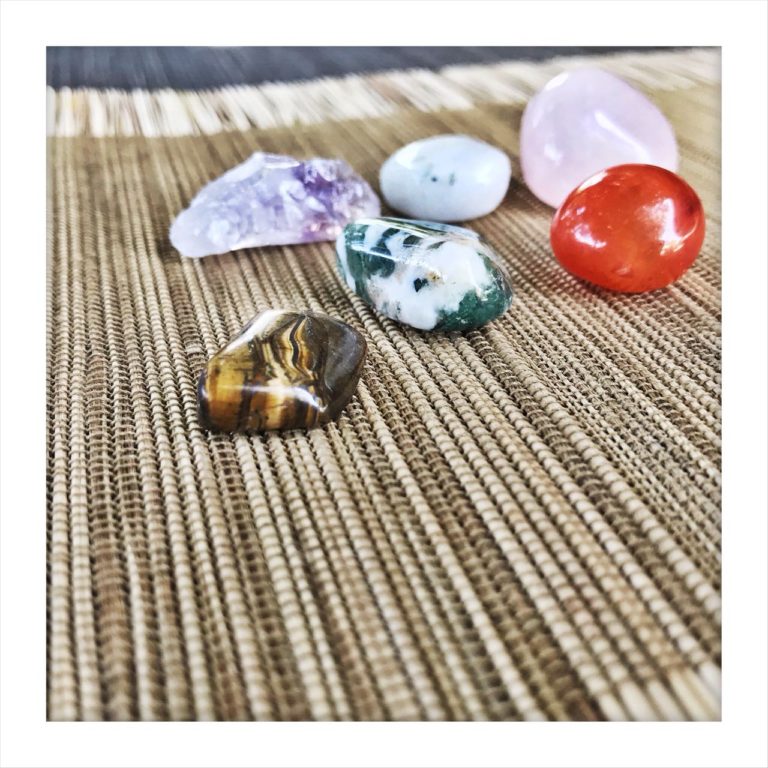
Not An Allergen. Crystals & Gemstones Mineral crystals (like agate, chalcedony, malachite, tiger’s eye, and amethyst) and rocks that are considered gemstones (like jade and lapis lazuli) are not published skin