Not An Allergen
GIP, GLP-1
Semaglutide (Ozempic, Wegovy, Zepbound), tirzepatide (Mounjaro), and other GIP and GLP-1 drugs have become popular around the world, initially for managing type-2 diabetes and obesity. GIP and GLP-1 stand for gastric inhibitory polypeptide and glucagon‐like peptide‐1, respectively, two hormones in the intestine that stimulate insulin secretion.
Additional research has shown that these drugs may have other indications, such as for several cardiovascular conditions; substance abuse control; Alzheimer’s, Parkinson’s and other neurodegenerative diseases; chronic kidney disease, liver disease; as well as for some other health conditions that benefit from weight loss. Generally, the data looks promising but studies emphasize that these medications are still relatively new and we are far from understanding how they might impact our health over time. Use them only with your doctor’s supervision.
Are there skin allergy concerns with GIPs or GLP-1s?
For allergic contact dermatitis in particular, in part because these medications are currently injected or orally taken, they do not seem to be top contact allergens. This does not mean that they cannot become skin allergens, especially if their use continues to increase dramatically. But for now, this does not seem to be the case.
It is not unusual to have non-allergy injection site reactions such as rash, redness, raised lumps or swelling, itching, and mild pain but these tend to be temporary and resolve on their own or after a cold compress. Alternating injection sites can also prevent these reactions.
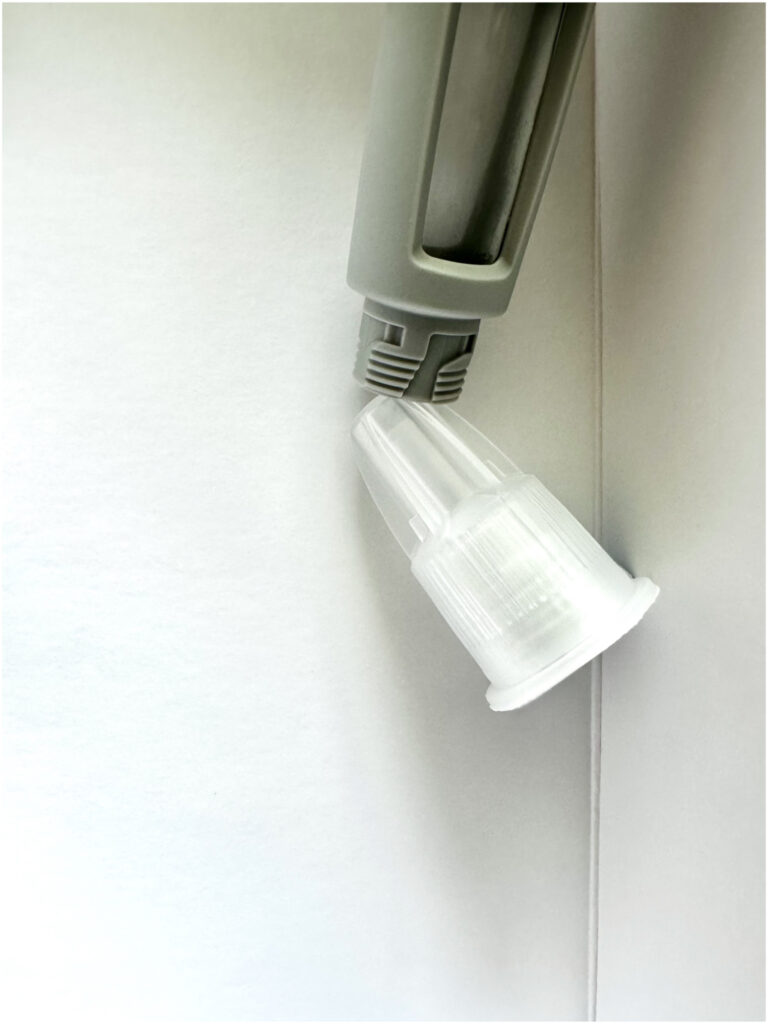
While reports of allergic contact dermatitis to small gauge needles are relatively rare (even rarer to pen injections), if you have patch tested positive to nickel, let your dermatologist know if you are considering using an injectable GIP or GLP-1.
If you have a history of food, drug, or naso-bronchial allergies, make sure to let your allergist know that you are considering taking a GIP or GLP-1.
Other skin concerns
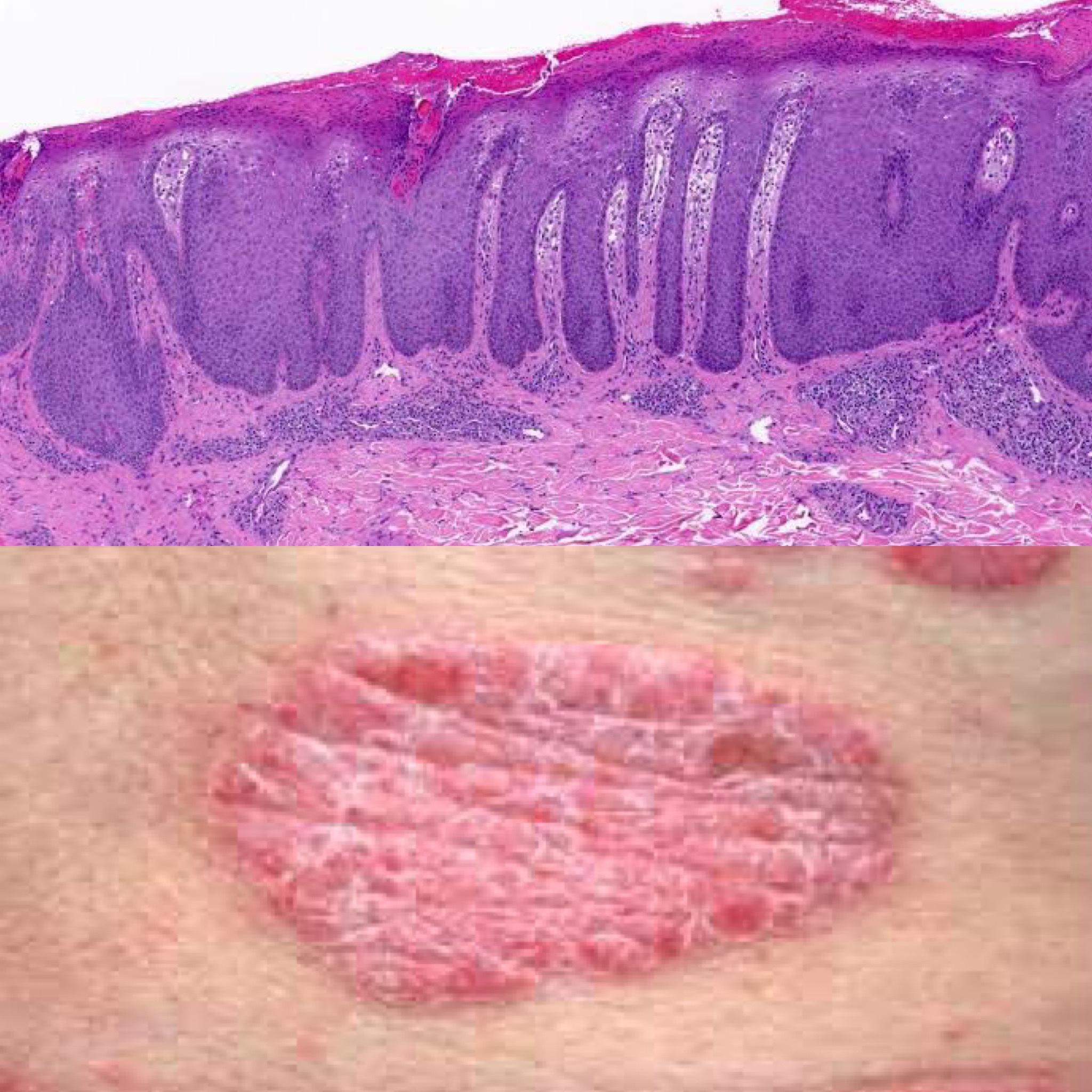
The American Academy of Dermatology notes that GIPs and GLP-1s could actually help some inflammatory skin conditions like psoriasis and hidradenitis suppurativa. Because these medications are still relatively new, make sure your dermatologist knows that you are taking a GIP or GLP-1, especially if you have an inflammatory skin condition.
Some other skin concerns that dermatologists are seeing in patients taking these medications include:
- “Ozempic Face.” This refers to some of the changes that can occur in skin when we experience significant weight loss, and especially when that major weight loss happens quickly. With rapid, extreme weight loss, the support structure that once held up the skin is gone, which can result in loose, sagging skin. On the face, this can be more obvious because even small volumes of fat loss can cause wrinkles to appear more obvious, hollowing to become more pronounced, and sections of the skin to droop more dramatically. These are all some of the normal ways that our skin ages but with significant, rapid weight loss, they can be surprising because they happen over a shorter amount of time.
- Rapid and significant weight loss can also cause brittle, slow-growing nails and thinning hair or hair loss. This can be due to the dramatic weight loss itself, a sudden drop in the intake of vitamins, proteins, and nutrients caused by appetite loss, or hormonal changes.
- The hair loss could also be telogen effluvium (temporary hair loss from an extreme event in the body such as childbirth, chemotherapy, or even covid-19 infection).
- Acne from hormonal changes
- Dry skin from less water or food intake
- Excessive sweating
- Rashes from the contact and friction between loose skin folds
How to keep my skin healthy?
- Partner with a dermatologist when taking a GIP or GLP-1 (ideally, before taking them, especially if you are concerned about hair loss or have an inflammatory skin condition).
- If you do develop chronically dry or irritated skin, your dermatologist might recommend a patch test to help you more accurately avoid allergens that could be contributing to the problem.
- Make sure you drink enough water and take in all the important vitamins, proteins, and minerals that your body needs. Your doctor or nutritionist can help guide you.
- Prioritize getting 7-8 hours of sleep a night and stress management practices such as meditation and adequate physical exercise.
- Use allergen-free, non-comedogenic, ultra-gentle skincare, hair-body-& bath care, and makeup. They can help keep your skin, nails, and hair healthier.
- Essence shampoos, body washes, and conditioner can help prevent further strain on the hair follicle as well as prevent skin dryness from perfumes and allergenic surfactants found in many bath products.
- Essence Stay Fresh-Energy Whole Body Deo (Antiperspirant) is a great option to safely manage excessive sweating.
- Apply a barrier-repairing, intensive moisturizer like Creammmy Rich Intensive Moisture Milk all over.
- For very dry or barrier-defective skin, follow with Know-It-Oil or Oil’s Well virgin coconut oil.
- If you would like to reduce the appearance of skin aging, keep in mind that retinoids and many active ingredients tend to be irritating (it’s part of why they work). Speak with your dermatologist about what options would be best for you and consider hypoallergenic options like Superskin 1 Toner, or Re-Everything or Illuminants creams. And definitely apply Stay-On-Point! (Armada Post-Procedure) or another Armada Sun and Light Screen every day, both indoors and outdoors.
- If acne is a concern, choose a treatment like Id Monolaurin Gel that will not contribute to irritation or dryness or upset the skin’s natural microbiome.
- Ideally, use an allergen-free laundry soap such as Fawn & Lauder or even Superwash! Dry skin on the body can be caused by perfumes, dyes, and other allergens in typical laundry detergent.
Subscribe to VMVinSKIN.com and our YouTube channel for more hypoallergenic tips and helpful “skinformation”!
If you have a history of sensitive skin…
…don’t guess! Random trial and error can cause more damage. Ask your dermatologist about a patch test.
To shop our selection of hypoallergenic products, visit vmvhypoallergenics.com. Need help? Ask us in the comments section below, or for more privacy (such as when asking us to customize recommendations for you based on your patch test results) contact us by email, or drop us a private message on Facebook.
For more:
- On the prevalence of skin allergies, see Skin Allergies Are More Common Than Ever.
- For the difference between irritant and allergic reactions, see It’s Complicated: Allergic Versus Irritant Reaction.
- For the difference between food, skin, and other types of reactions: see Skin & Food Allergies Are Not The Same Thing.
- On the differences between hypoallergenic, natural, and organic, check out Is Natural Hypoallergenic? and this video in our YouTube channel.
- To learn about the VH-Rating System and hypoallergenicity: What Is The Validated Hypoallergenic Rating System?
Main References:
Regularly published reports on the most common allergens by the North American Contact Dermatitis Group and European Surveillance System on Contact Allergies (based on over 28,000 patch test results, combined), plus other studies. Remember, we are all individuals — just because an ingredient is not on the most common allergen lists does not mean you cannot be sensitive to it, or that it will not become an allergen. These references, being based on so many patch test results, are a good basis but it is always best to get a patch test yourself.
- Wen J, Nadora D, et al. Next generation dual GLP-1/GIP, GLP-1/glucagon, and triple GLP-1/GIP/glucagon agonists: a literature review. Nutr Metab Cardiovasc Dis. 2025 Dec;35(12):104213. doi: 10.1016/j.numecd.2025.104213. Epub 2025 Jun 28. PMID: 40685266.
- Persson C, Eaton A, et al. A Closer Look at the Dermatological Profile of GLP-1 Agonists. Diseases. 2025 Apr 22;13(5):127. doi: 10.3390/diseases13050127. PMID: 40422559; PMCID: PMC12110338.
- Patino W, Thomas A, et al. A Review of Glucagon-like Peptide-1 in Dermatology. J Clin Aesthet Dermatol. 2025 Mar;18(3):42-50. PMID: 40135183; PMCID: PMC11932103.
- Urban K, Giesey R, et al. A Guide to Informed Skincare: The Meaning of Clean, Natural, Organic, Vegan, and Cruelty-Free. J Drugs Dermatol. 2022 Sep 1;21(9):1012-1013.
- Houle M-C, DeKoven JG, et al. North American Contact Dermatitis Group Patch Test Results: 2021–2022. Dermatitis®. 2025;36(5):464-476. doi:10.1089/derm.2024.0474
- Urban K, Giesey R, et al. A Guide to Informed Skincare: The Meaning of Clean, Natural, Organic, Vegan, and Cruelty-Free. J Drugs Dermatol. 2022 Sep 1;21(9):1012-1013.
- DeKoven JG, Warshaw EM, Reeder MJ, Atwater AR, Silverberg JI, Belsito DV, Sasseville D, Zug KA, Taylor JS, Pratt MD, Maibach HI, Fowler JF Jr, Adler BL, Houle MC, Mowad CM, Botto N, Yu J, Dunnick CA. North American Contact Dermatitis Group Patch Test Results: 2019-2020. Dermatitis. 2023 Mar-Apr;34(2):90-104. doi: 10.1089/derm.2022.29017.jdk. Epub 2023 Jan 19. PMID: 36917520.
- Uter W, Wilkinson SM, Aerts O, Bauer A, Borrego L, Brans R, Buhl T, Dickel H, Dugonik A, Filon FL, Garcìa PM, Giménez-Arnau A, Patruno C, Pesonen M, Pónyai G, Rustemeyer T, Schubert S, Schuttelaar MA, Simon D, Stingeni L, Valiukevičienė S, Weisshaar E, Werfel T, Gonçalo M; ESSCA and EBS ESCD working groups, and the GEIDAC. Patch test results with the European baseline series, 2019/20-Joint European results of the ESSCA and the EBS working groups of the ESCD, and the GEIDAC. Contact Dermatitis. 2022 Oct;87(4):343-355. doi: 10.1111/cod.14170. Epub 2022 Jun 24. PMID: 35678309. https://pubmed.ncbi.nlm.nih.gov/35678309/
- DeKoven JG, Silverberg JI, Warshaw EM, Atwater AR, et al. North American Contact Dermatitis Group Patch Test Results: 2017-2018. Dermatitis. 2021 Mar-Apr 01;32(2):111-123.
- DeKoven JG, Warshaw EM, Zug KA, et al. North American Contact Dermatitis Group Patch Test Results: 2015-2016. Dermatitis. 2018 Nov/Dec;29(6):297-309.
- DeKoven JG, Warshaw EM, Belsito DV, et al. North American Contact Dermatitis Group Patch Test Results 2013-2014. Dermatitis. 2017 Jan/Feb;28(1):33-46.
- Warshaw, E.M., Maibach, H.I., Taylor, J.S., et al. North American contact dermatitis group patch test results: 2011-2012. Dermatitis. 2015; 26: 49-59.
- W Uter et al. The European Baseline Series in 10 European Countries, 2005/2006–Results of the European Surveillance System on Contact Allergies (ESSCA). Contact Dermatitis 61 (1), 31-38.7 2009.
- Wetter, DA et al. Results of patch testing to personal care product allergens in a standard series and a supplemental cosmetic series: An analysis of 945 patients from the Mayo Clinic Contact Dermatitis Group, 2000-2007. J Am Acad Dermatol. 2010 Nov;63(5):789-98.
- Warshaw EM, Buonomo M, DeKoven JG, et al. Importance of Supplemental Patch Testing Beyond a Screening Series for Patients With Dermatitis: The North American Contact Dermatitis Group Experience. JAMA Dermatol. 2021 Dec 1;157(12):1456-1465.
- Verallo-Rowell VM. The validated hypoallergenic cosmetics rating system: its 30-year evolution and effect on the prevalence of cosmetic reactions. Dermatitis 2011 Apr; 22(2):80-97.
- Ruby Pawankar et al. World Health Organization. White Book on Allergy 2011-2012 Executive Summary.
- Misery L et al. Sensitive skin in the American population: prevalence, clinical data, and role of the dermatologist. Int J Dermatol. 2011 Aug;50(8):961-7.
- Warshaw EM1, Maibach HI, Taylor JS, Sasseville D, DeKoven JG, Zirwas MJ, Fransway AF, Mathias CG, Zug KA, DeLeo VA, Fowler JF Jr, Marks JG, Pratt MD, Storrs FJ, Belsito DV. North American contact dermatitis group patch test results: 2011-2012.Dermatitis. 2015 Jan-Feb;26(1):49-59.
- Warshaw, E et al. Allergic patch test reactions associated with cosmetics: Retrospective analysis of cross-sectional data from the North American Contact Dermatitis Group, 2001-2004. J AmAcadDermatol 2009;60:23-38.
- Marks JG, Belsito DV, DeLeo VA, et al. North American Contact Dermatitis Group patch-test results, 1998 to 2000. Am J Contact Dermat. 2003;14(2):59-62.
- Warshaw EM, Belsito DV, Taylor JS, et al. North American Contact Dermatitis Group patch test results: 2009 to 2010. Dermatitis. 2013;24(2):50-99.
- Verallo-Rowell V. M, Katalbas S.S. & Pangasinan J. P. Natural (Mineral, Vegetable, Coconut, Essential) Oils and Contact Dermatitis. Curr Allergy Asthma Rep 16,51 (2016) . https://doi.org/10.1007/s11882-016-0630-9.
- de Groot AC. Monographs in Contact Allergy, Volume II – Fragrances and Essential Oils. Boca Raton, FL: CRC Press Taylor & Francis Group; 2019.
- De Groot AC. Monographs in Contact Allergy Volume I. Non-Fragrance Allergens in Cosmetics (Part I and Part 2). Boca Raton, Fl, USA: CRC Press Taylor and Francis Group, 2018.
- Zhu TH, Suresh R, Warshaw E, et al. The Medical Necessity of Comprehensive Patch Testing. Dermatitis. 2018 May/Jun;29(3):107-111.
Want more great information on contact dermatitis? Check out the American Contact Dermatitis Society, Dermnet New Zealand, the Contact Dermatitis Institute, and your country’s contact dermatitis association.

Laura is our “dew”-good CEO at VMV Hypoallergenics and eldest daughter of VMV’s founding dermatologist-dermatopathologist. She has two children, Madison and Gavin, and works at VMV with her family and VMV’s signature “skinfatuated, skintellectual, skingenious” team. In addition to saving the world’s skin, Laura is passionate about health, cultural theory, human rights, happiness, and spreading goodness (like a VMV cream)!